Nature & altitude
From sea level to 2,365 metres in a single view.
Few places in the Mediterranean rise so steeply from the shore. Between the beach at Çıralı and the summit of Tahtalı lie almost all the landscapes of southern Türkiye, and you walk through most of them in two days.
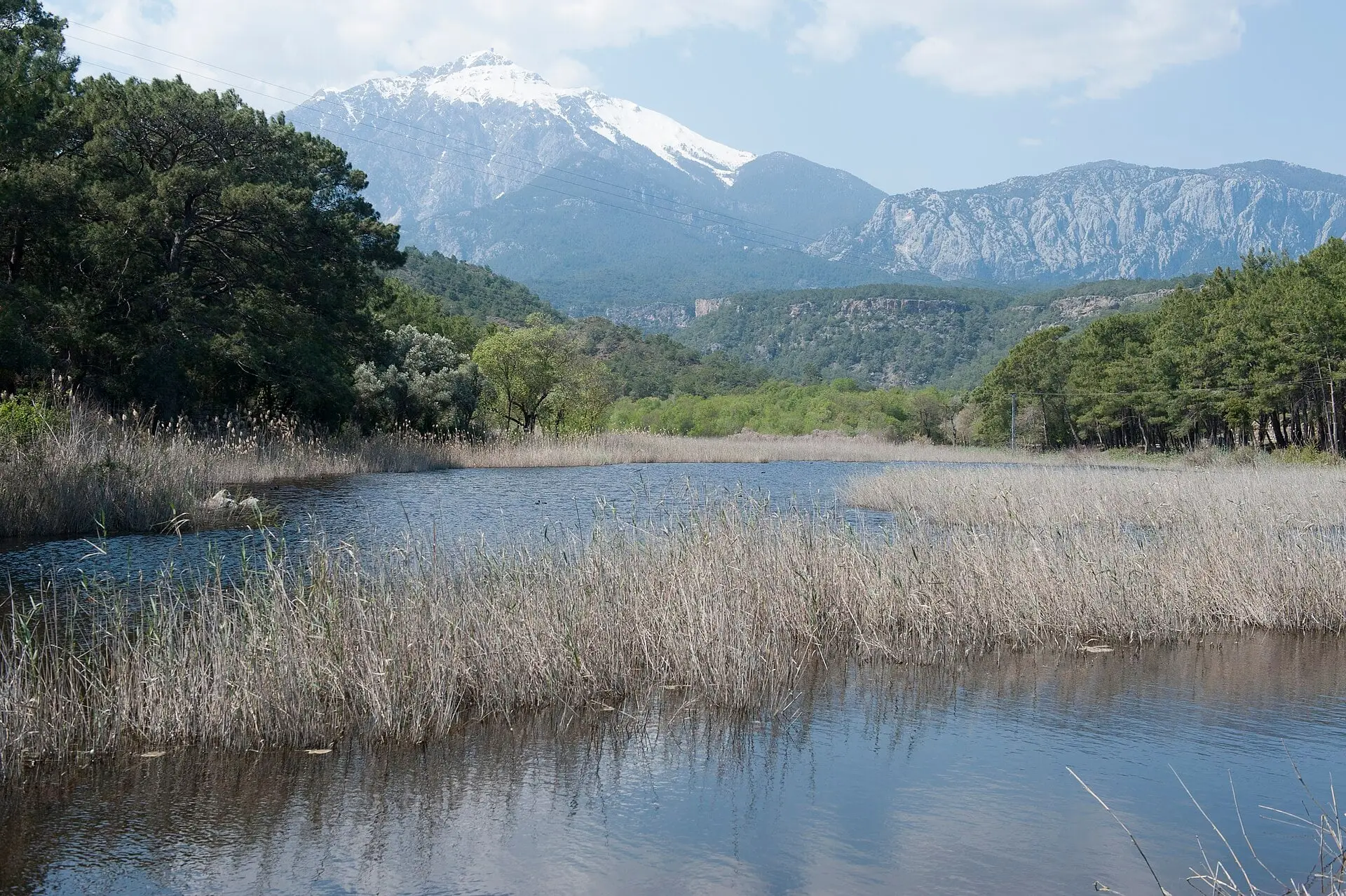
01 Olympos-Beydağları National Park
A protected coast since 1972.
The national park runs along the coast from south of Antalya to Cape Gelidonya and climbs to the summit of Tahtalı Dağı. It protects the ancient cities of Olympos and Phaselis, the burning rocks of the Chimaera and some of the least-built shoreline in the region.
Botanists have recorded more than 865 plant species inside its boundaries, about 25 of them found nowhere else. Beycik sits within the park, at the point where the coastal pine forest begins to give way to the mountain.
- established
- 1972
- hectares
- 34,425
- plant species
- 865+
- endemic
- ~25
02 Life zones
Climb through the seasons.
Every few hundred metres of height is like travelling hundreds of kilometres north. Scroll to climb.
-
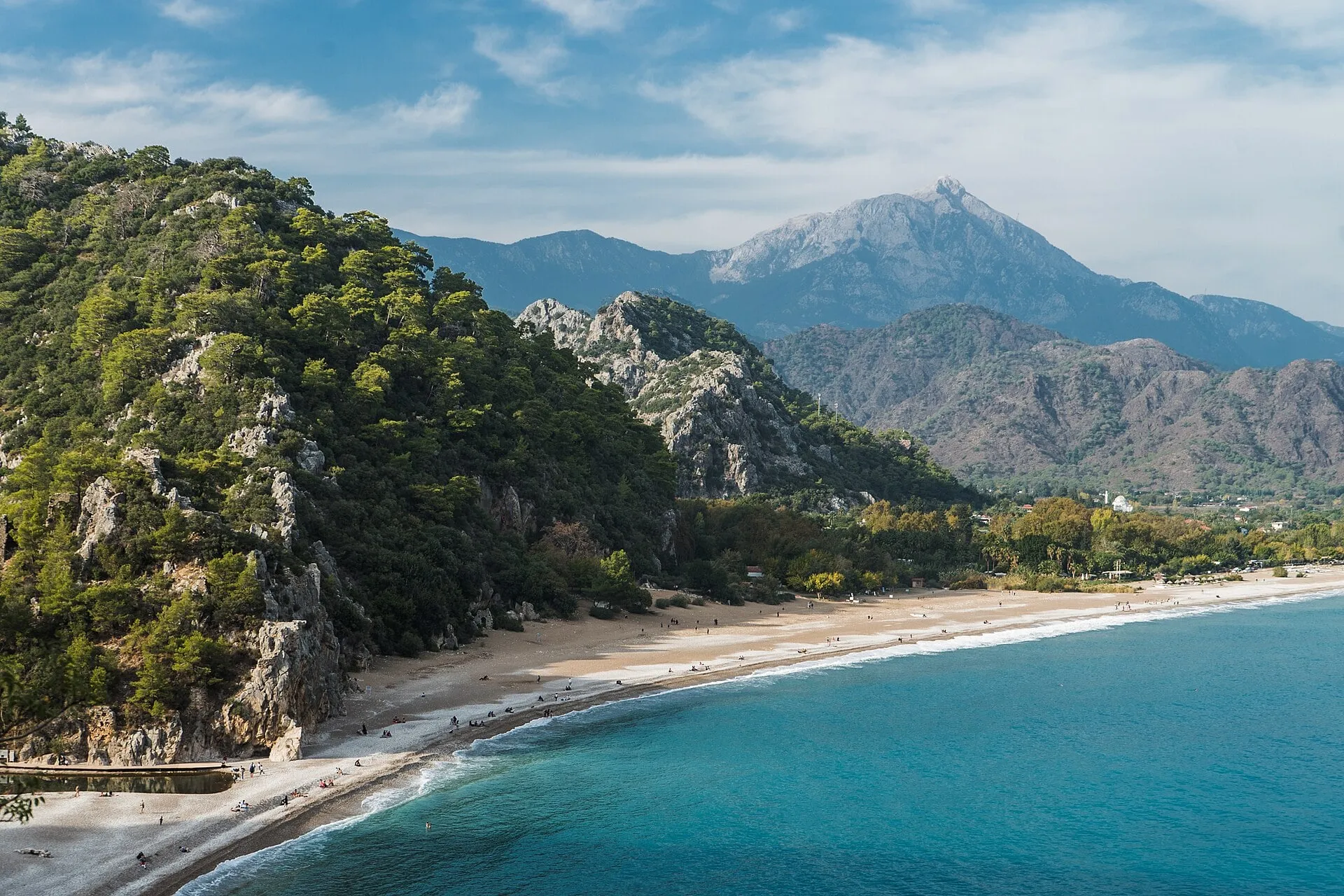
© Alexey Komarov · CC BY-SA 4.0 0–10 m
Beach & dunes
Çıralı’s long beach is one of the Mediterranean nesting sites of the loggerhead turtle. From May to September females come ashore at night to lay; seven or eight weeks later the hatchlings run for the sea.
- Loggerhead turtle
-
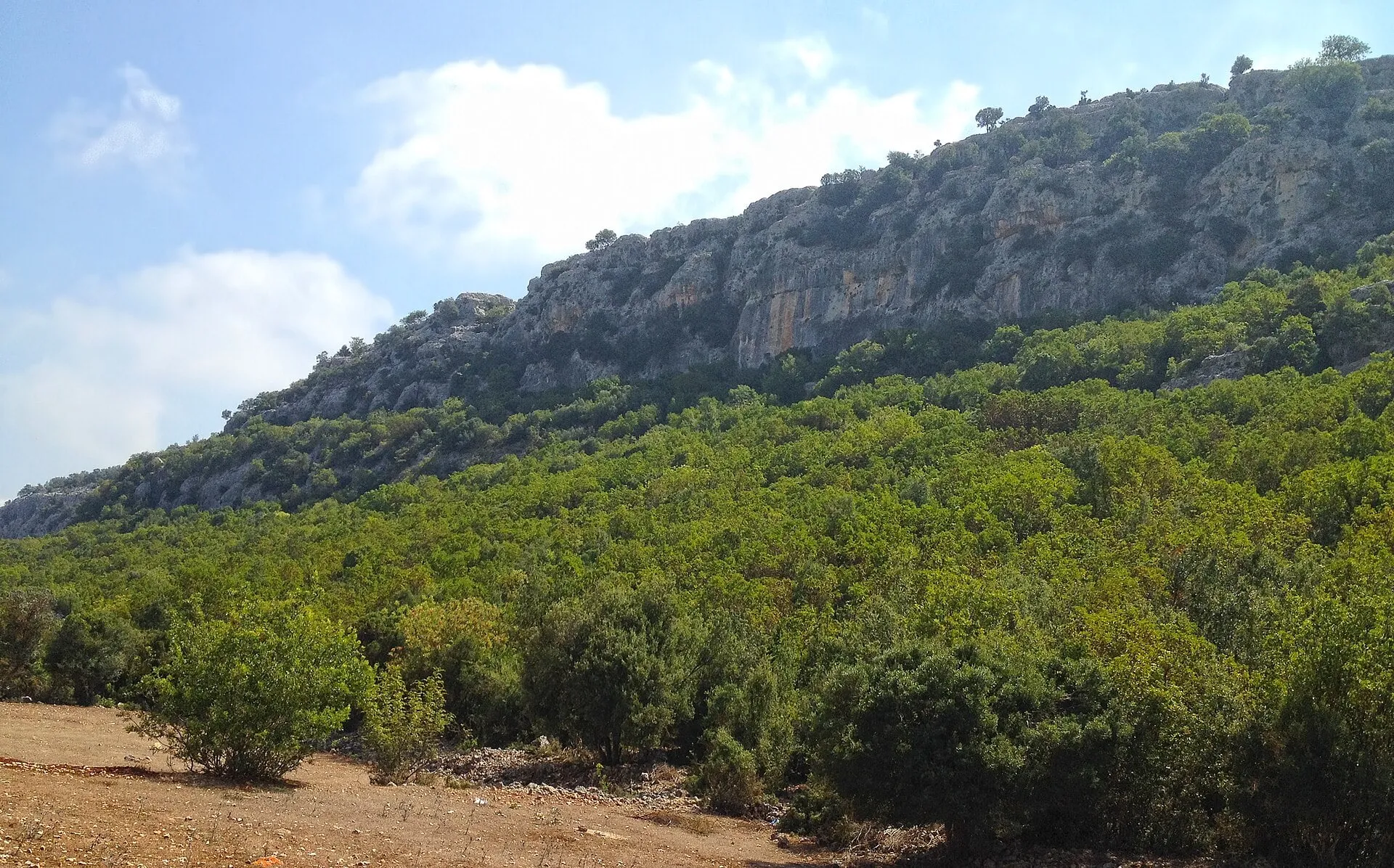
© Zeynel Cebeci · CC BY-SA 4.0 10–600 m
Maquis & coastal pine
Evergreen scrub of strawberry tree with its peeling red bark, myrtle, mastic and kermes oak, under light forests of pine. Oleander lines the streams; in spring the slopes are full of orchids and cyclamen.
- Strawberry tree
- Myrtle
- Oleander
- Cyclamen
-
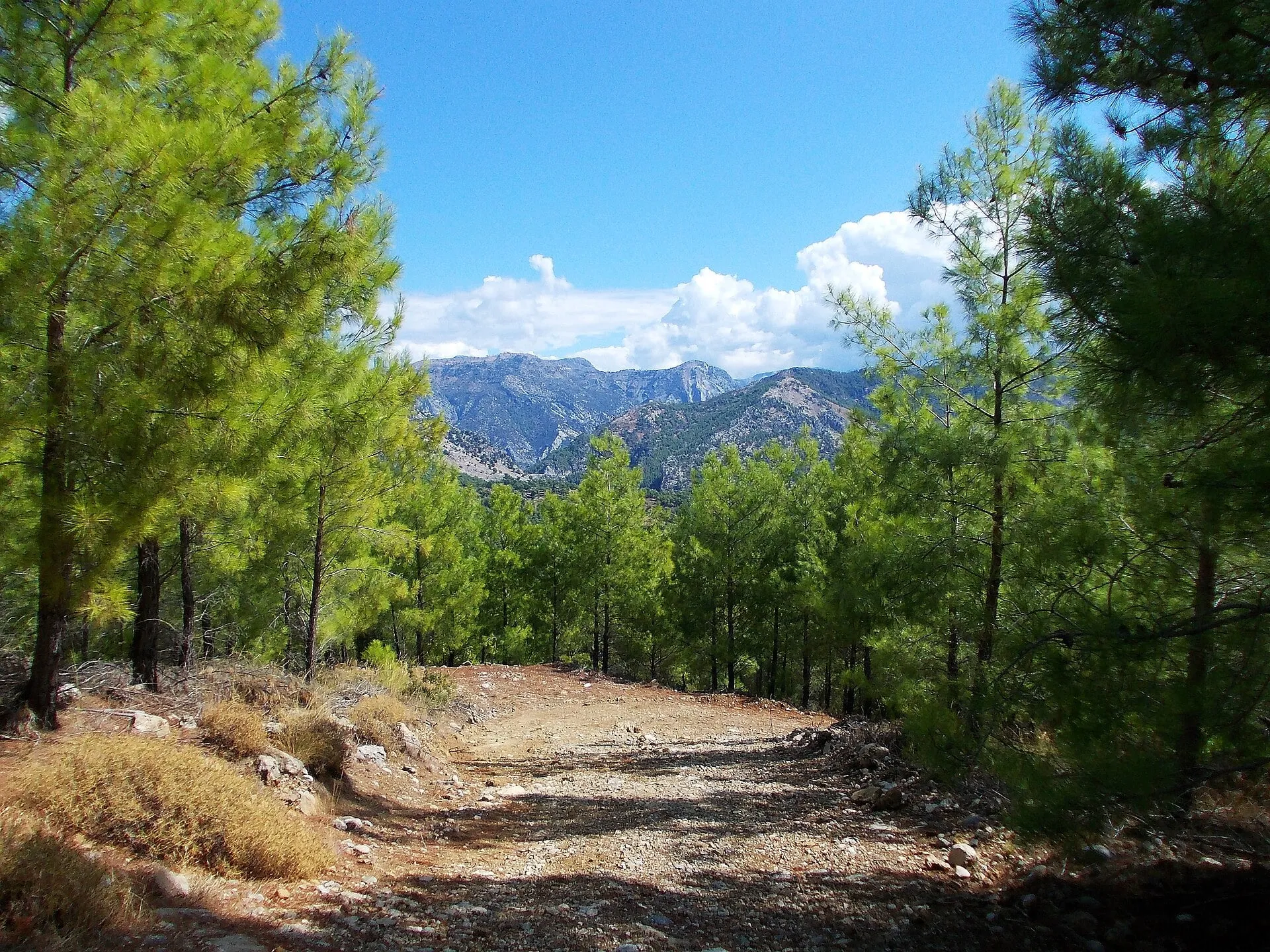
© vom Thüringer · CC BY 3.0 600–1,300 m
Turkish pine forest
Turkish (Calabrian) pine is the most widespread forest in the park. It is the home of Krüper’s nuthatch, a small bird found almost only in Türkiye, on Lesbos and in the Caucasus; look for it in the pines around the village. Bees here gather the sweet secretion of a scale insect that lives on these pines, and from it Türkiye produces most of the world’s pine honey.
- Turkish pine
- Krüper’s nuthatch
- Plane tree
You are here · 950 m
-
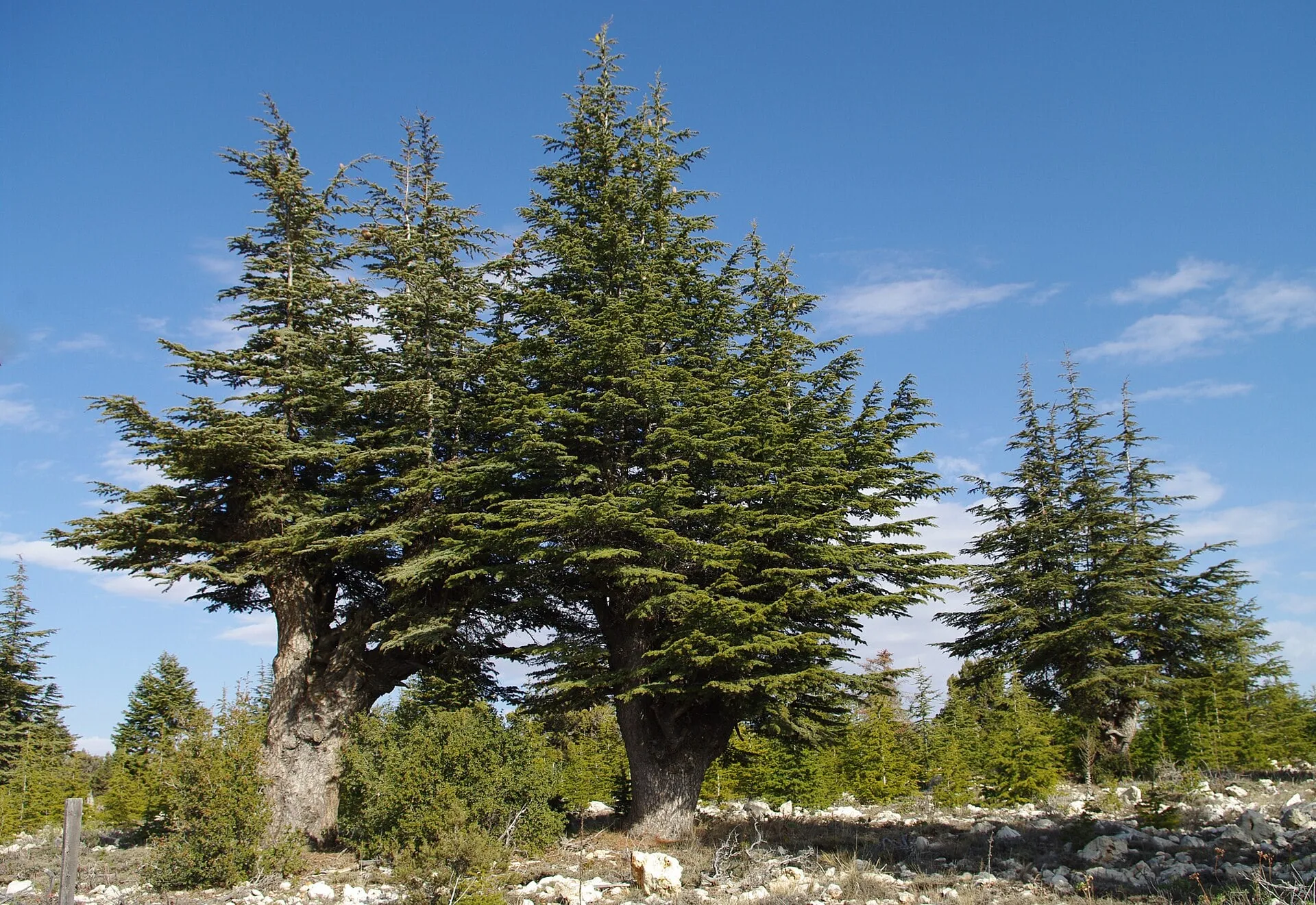
© Zeynel Cebeci · CC BY-SA 4.0 1,300–1,900 m
Cedar & fir
Above about 1,300 metres the first Taurus cedars appear, broad and flat-topped on the ridges, with Cilician fir in places. They are among the most valuable trees of the Mediterranean: their fragrant, rot-resistant timber built temples, palaces and ships across the ancient world, and the cedars of Lycia were prized for shipbuilding. Today most of the world’s Lebanon cedars grow in the Taurus Mountains of Türkiye. The species is listed as vulnerable, so these slow-growing trees, some of them centuries old, are protected. The air thins and cools; snow lies here through much of the winter.
- Taurus cedar
- Taurus fir
- Wild goat
-
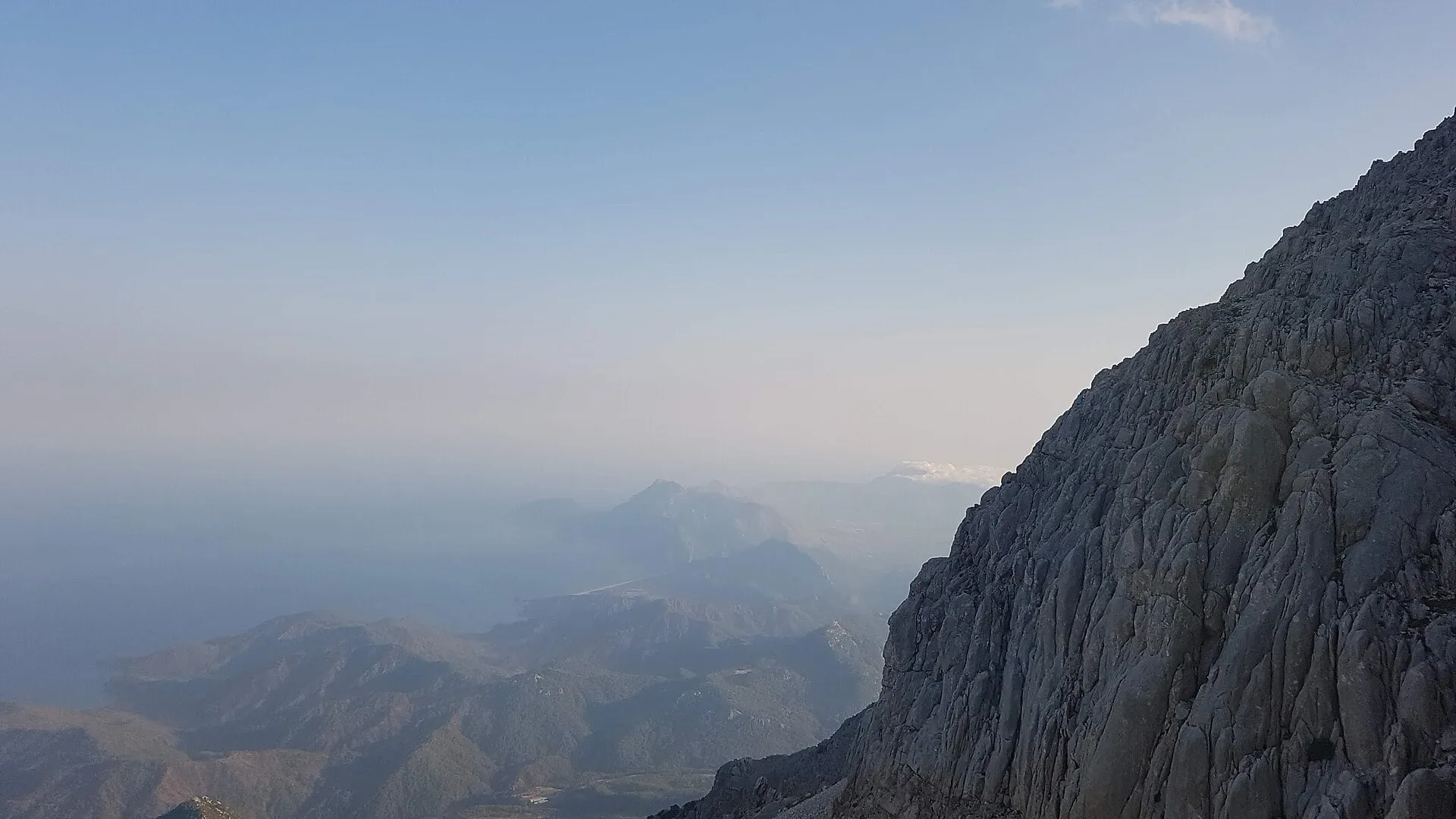
© Buse Kocaaslan · CC BY-SA 4.0 1,900–2,365 m
Limestone summit
Above the trees: bare grey limestone, thorny cushion plants and alpine flowers that bloom after the snow melts. Wild goats move along the cliffs; eagles ride the updraughts above the summit of Tahtalı.
- Cushion plants
- Spring bulbs
- Eagles
03 Look out for
Neighbours on the trail.
-
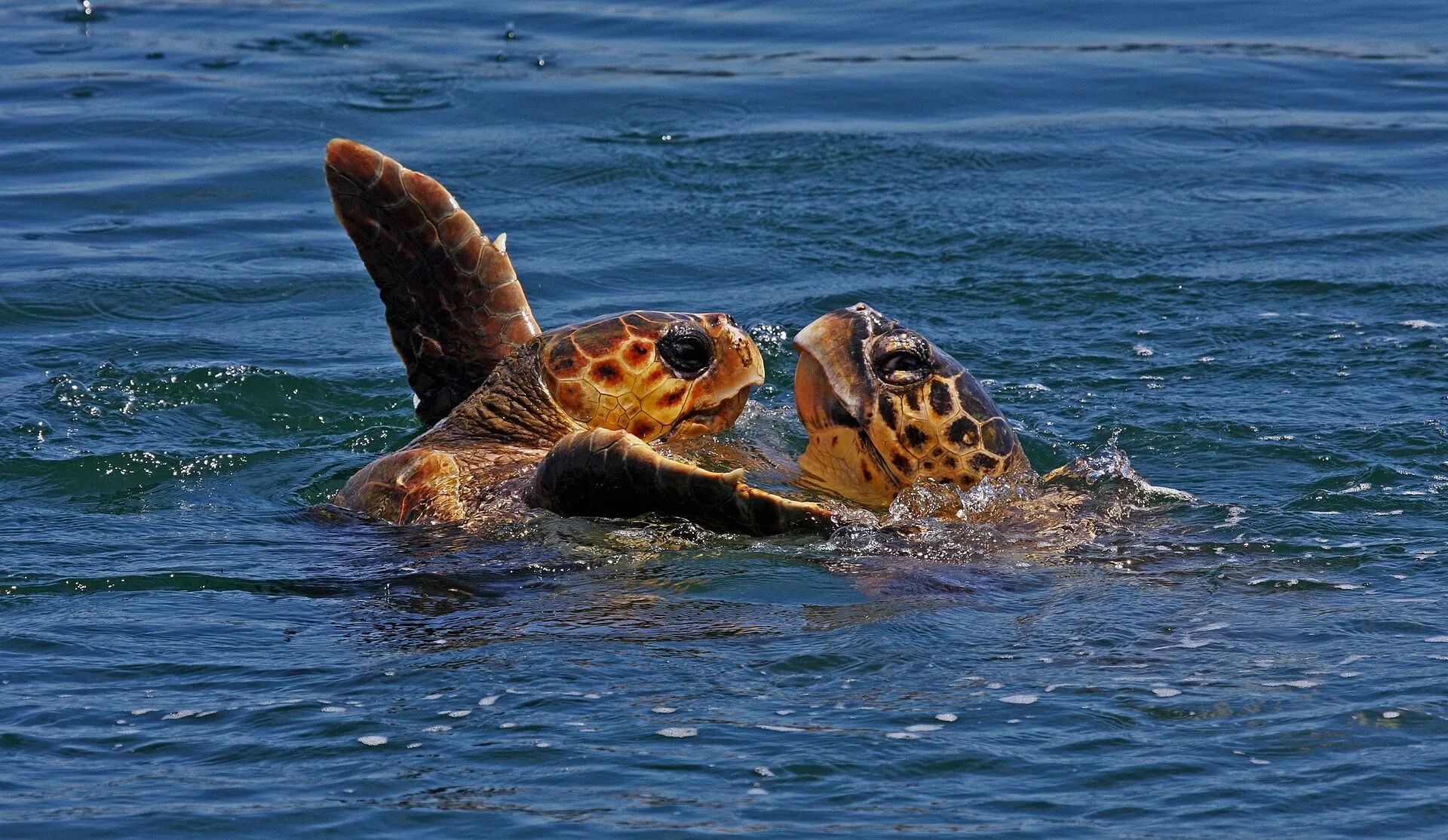
© Eco cruising · CC BY-SA 4.0 Loggerhead turtle
Caretta caretta
Nests on Çıralı beach every summer. Keep away from marked nests and leave the beach dark at night.
-
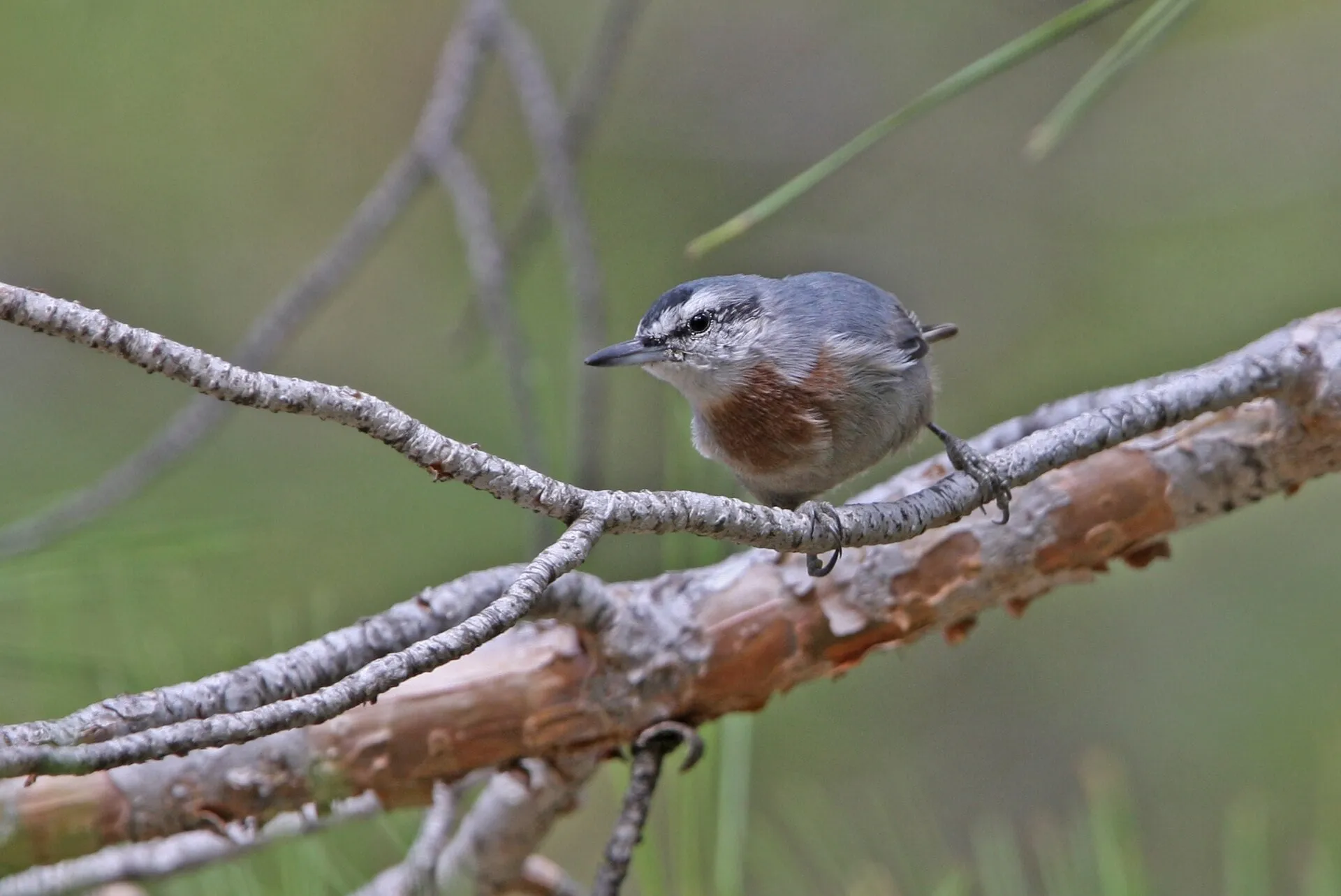
© Christoph Moning (iNaturalist user christoph_moning) · CC BY 4.0 Krüper’s nuthatch
Sitta krueperi
A tiny, restless bird with a chestnut breast patch, living in the pine forests of Türkiye, Lesbos and the Caucasus.
-
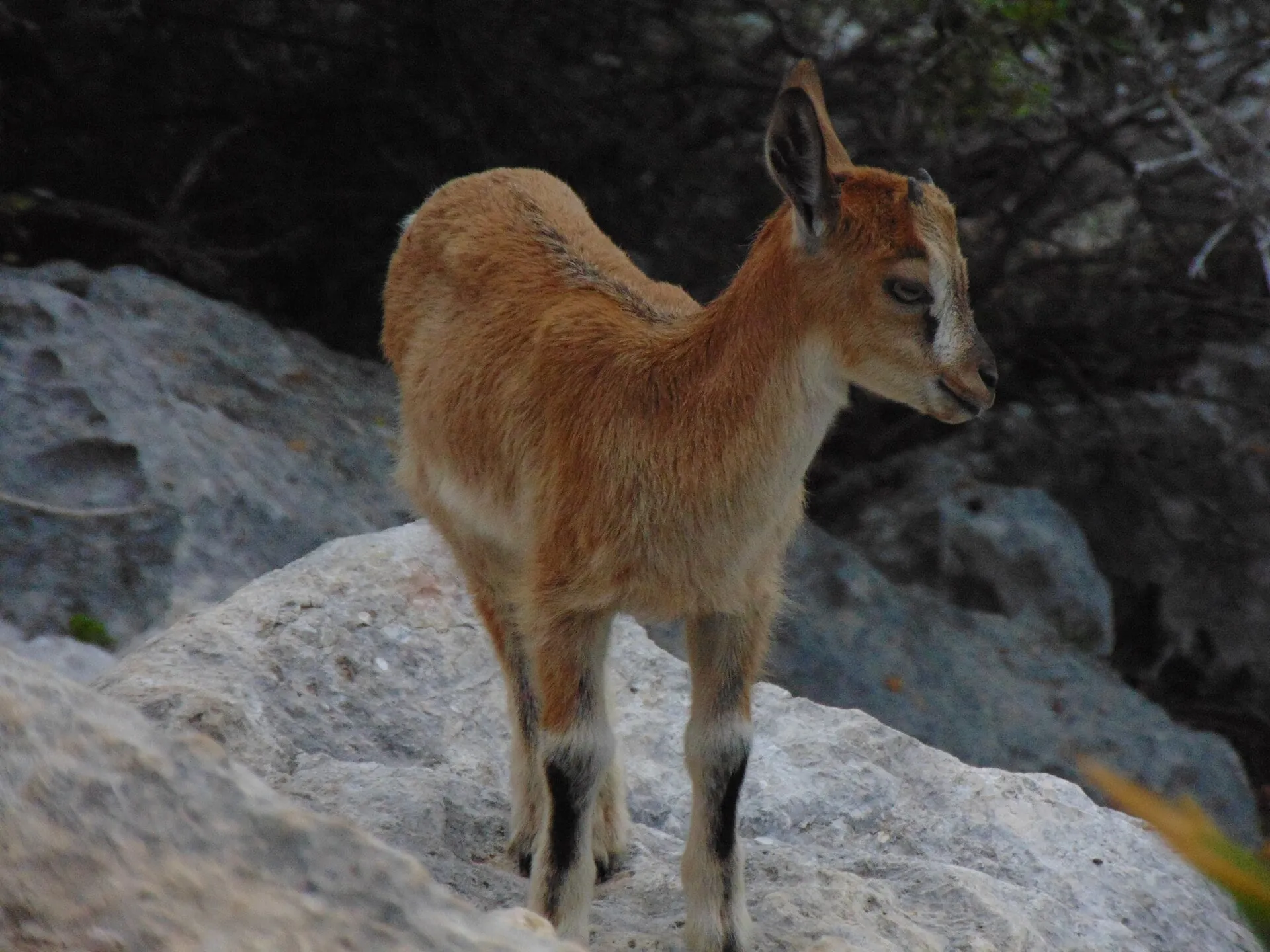
© Benjamin Carbuccia · CC BY 4.0 Wild goat
Capra aegagrus
The wild ancestor of domestic goats, still living on the remote cliffs of the national park. Usually seen from far away, if at all.
-
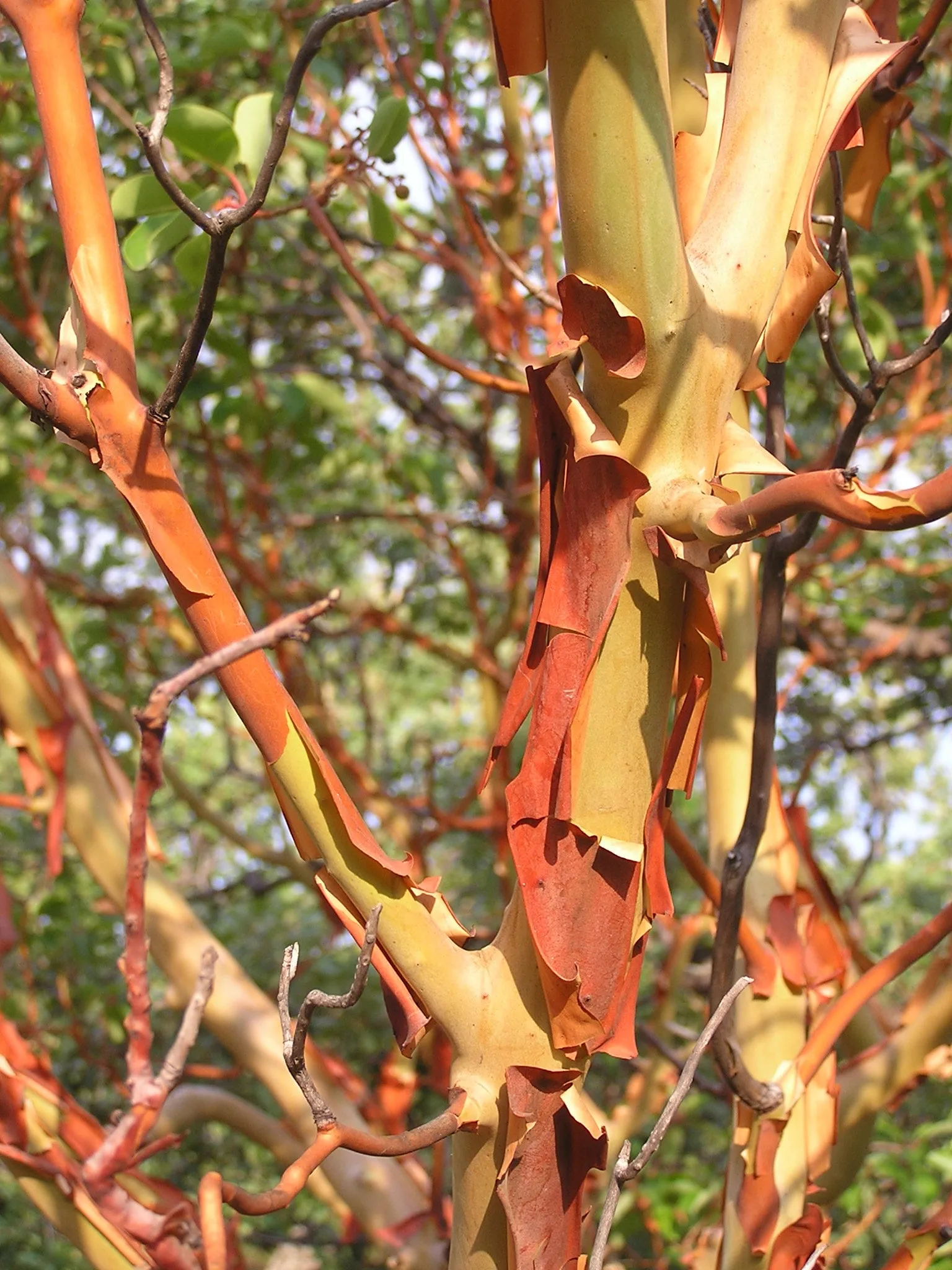
© Andrey Butko · CC BY-SA 3.0 Strawberry tree
Arbutus andrachne
Recognisable all year by its smooth, cinnamon-red bark, which peels in summer to reveal green beneath.
-
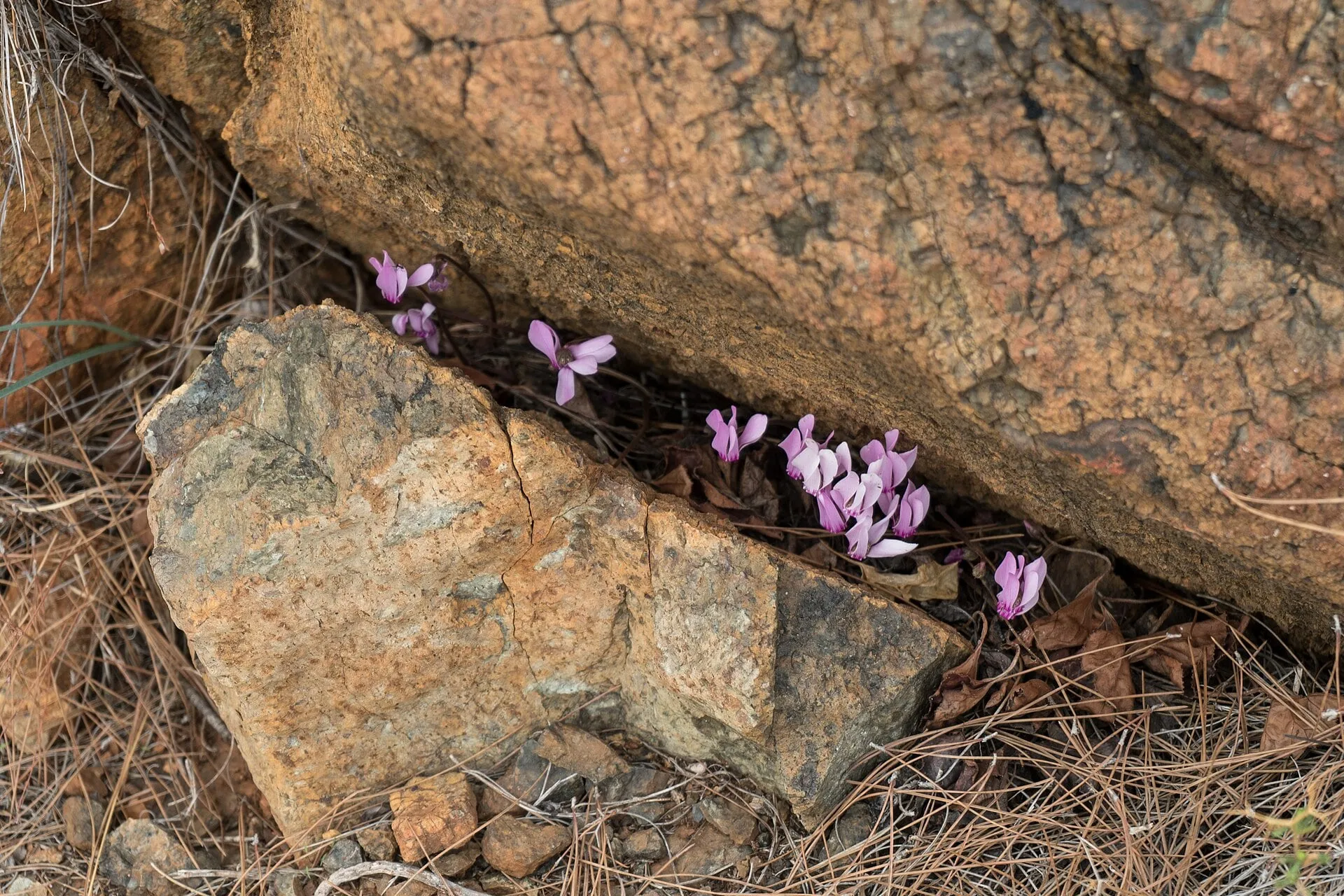
© Alexey Komarov · CC BY-SA 4.0 Cyclamen
Cyclamen spp.
Pink flowers tucked between rocks along the path, in autumn and again in late winter.
-
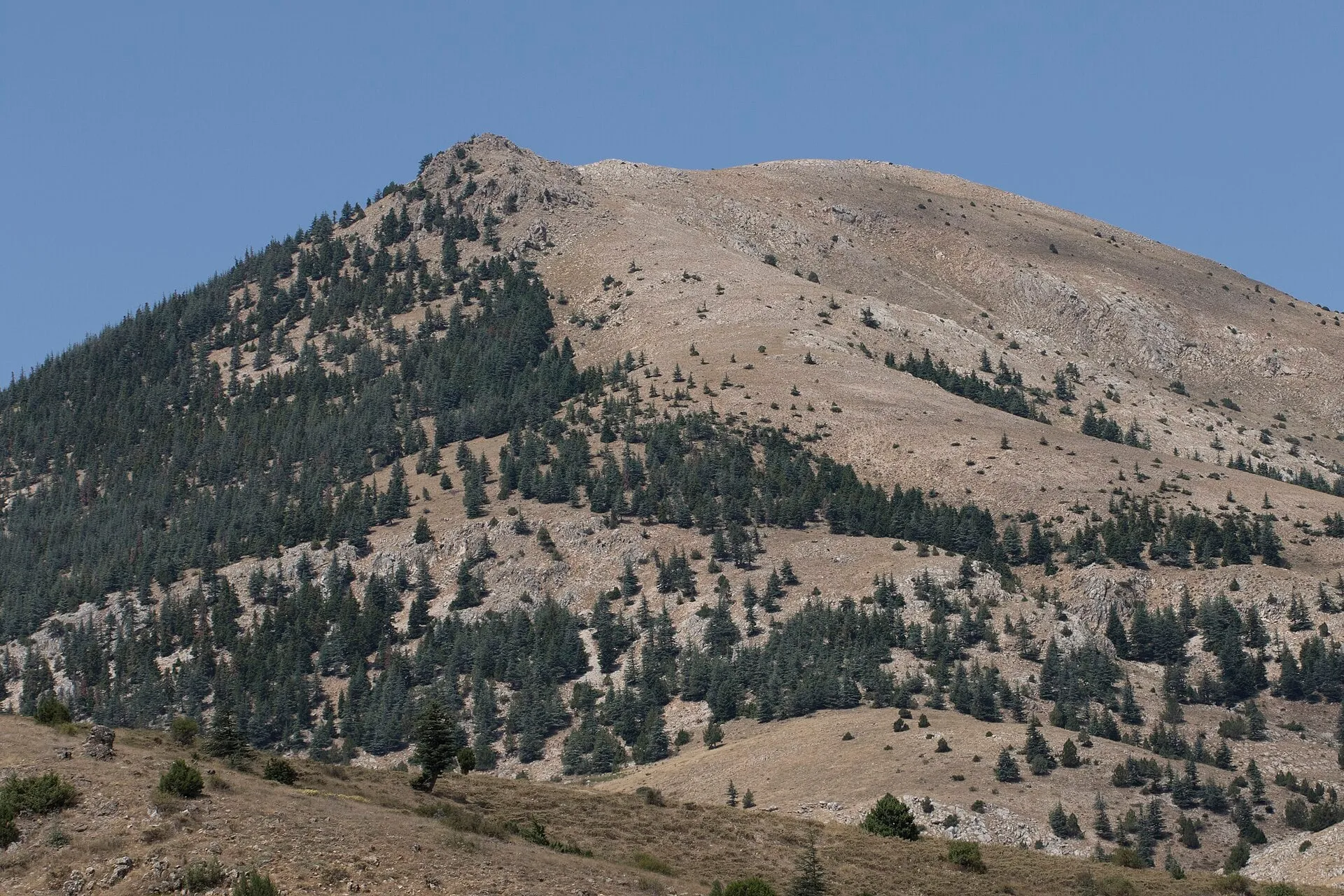
© Zeynel Cebeci · CC BY-SA 4.0 Taurus cedar
Cedrus libani
The tree of the high Taurus. On Tahtalı it appears from about 1,300 metres, its layered crowns shaped by snow and wind.
-
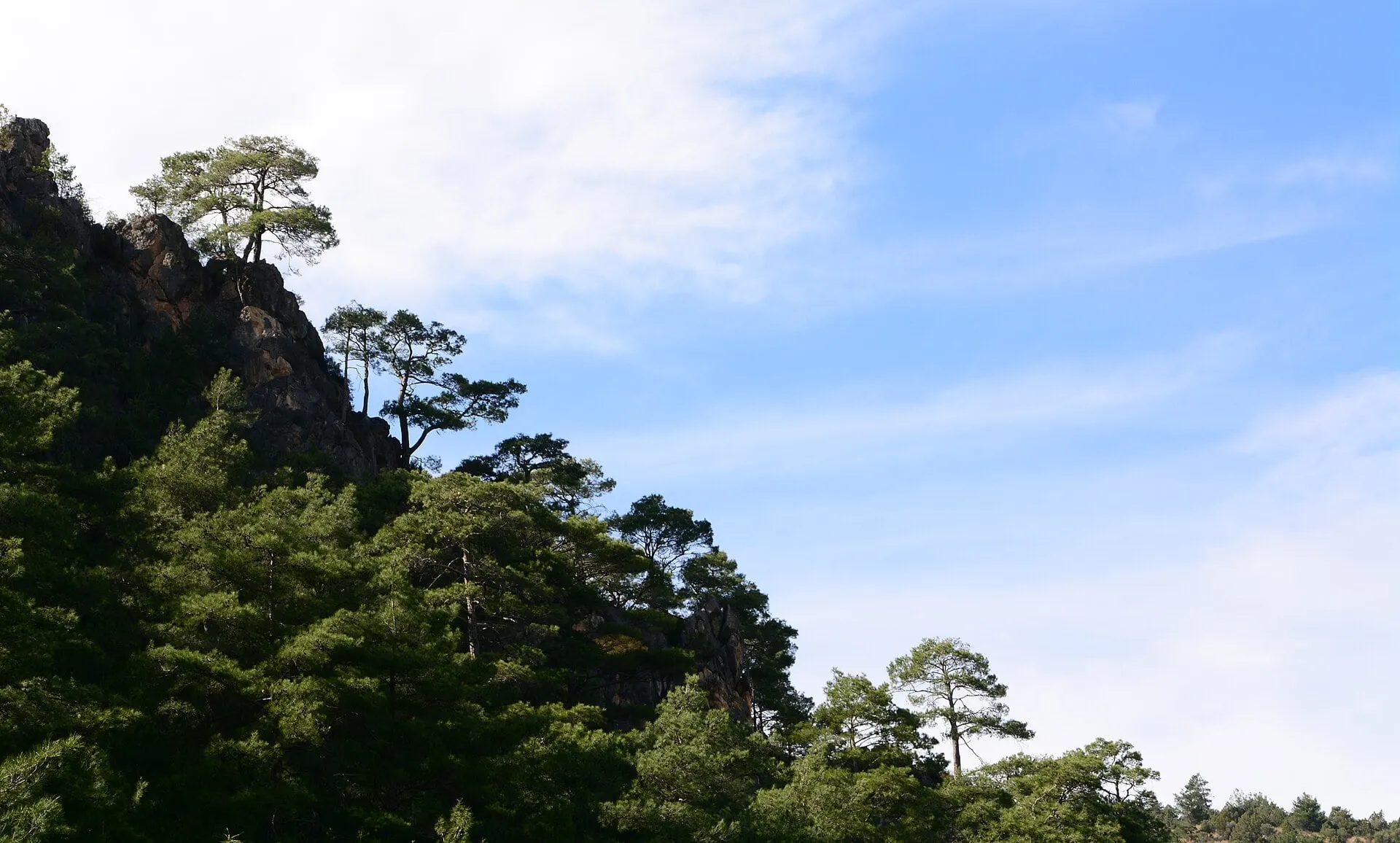
© Zeynel Cebeci · CC BY-SA 4.0 Turkish pine
Pinus brutia
The forest you walk through most of the time: open, fragrant, with long needles and a soft carpet underfoot.
-
Leave it as you found it
- Take all your rubbish with you, including fruit peel.
- Never make a fire in the forest. Summer fires spread fast here.
- Stay on the path on steep ground to avoid erosion.
- Do not pick flowers or bulbs; many are rare.
- On Çıralı beach, no lights and no digging near marked nests.